Understanding the psychological effects of gambling A deeper look into addiction and its impact
The Nature of Gambling Addiction
Gambling addiction, often referred to as compulsive gambling, is a behavioral addiction characterized by an uncontrollable urge to gamble despite the negative consequences. The psychological nature of this addiction can lead to severe repercussions on an individual’s mental health, relationships, and financial stability. Many gamblers find themselves trapped in a cycle of loss and desperation, where the thrill of the gamble overrides their capacity for rational decision-making. For those seeking alternatives, non gamstop betting sites might offer an appealing option.
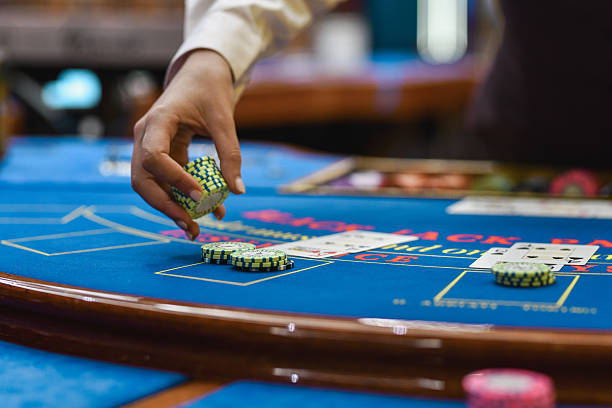
This addiction often stems from a combination of psychological, emotional, and social factors. Those who gamble may be seeking escape from stress, anxiety, or depression, using gambling as a temporary relief. However, this coping mechanism can quickly escalate into a harmful addiction, resulting in a range of emotional disturbances, including guilt, shame, and depression.
The Emotional and Psychological Consequences
The emotional toll of gambling addiction can be profound, often leading to feelings of isolation and hopelessness. Individuals may experience heightened anxiety and depression, leading them to further gamble in an attempt to recover their losses, which only exacerbates the issue. The psychological struggle can also lead to a deterioration of personal relationships, as the compulsive gambler may prioritize gambling over family and social obligations.
Additionally, many gamblers experience cognitive distortions, such as the illusion of control or the belief that they can predict outcomes. These distorted thoughts can reinforce their gambling behavior, making it difficult to recognize the need for help. The longer the addiction persists, the more entrenched these psychological patterns become, making recovery a challenging journey.
The Role of Environment and Triggers
The environment plays a critical role in the development and perpetuation of gambling addiction. Land-based casinos and online gambling platforms provide constant accessibility to gambling activities, increasing the likelihood of engaging in such behaviors. Triggers may include friends who gamble, advertisements promoting betting, or even stressors from everyday life that drive individuals to seek relief through gambling.
Understanding these environmental triggers is essential for managing and treating gambling addiction. Recognizing what prompts the urge to gamble can aid in developing coping strategies and support systems. Effective interventions often involve altering one’s environment and seeking therapeutic support to address the underlying issues related to gambling addiction.
Seeking Help and Recovery Options
Recovering from gambling addiction is a complex process that often requires professional intervention and support. Various treatment options are available, including therapy, support groups, and self-help strategies. Cognitive Behavioral Therapy (CBT) has shown promise in addressing the cognitive distortions associated with gambling addiction, helping individuals to identify and challenge harmful thoughts.
Support groups, such as Gamblers Anonymous, provide a community for individuals seeking recovery, fostering accountability and understanding among peers. These groups can offer invaluable emotional support and practical strategies for managing urges to gamble, making them an essential component of the recovery journey.

Explore Trusted Resources for Support
For those affected by gambling addiction, finding reliable resources is crucial for recovery. Various websites provide a wealth of information about gambling addiction, including expert reviews of treatment options, support group information, and guides on how to approach the recovery process. These resources are designed to empower individuals by offering insights into effective strategies and coping mechanisms.
By exploring these resources, individuals can make informed decisions about their recovery journey, ensuring they receive the support needed to overcome addiction and reclaim their lives. Whether you are directly affected or seeking to support someone struggling with gambling addiction, knowledge is the first step towards recovery and a healthier future.